Same glass front, different houses behind it
Stand in a showroom and a gas insert and a direct-vent gas fireplace look almost the same: a sealed glass front, a burner with logs or stones, a remote. Behind the glass they are different jobs. An insert slides into a masonry or prefab fireplace you already own and uses the old chimney as a chase for its vent pipes. A direct-vent fireplace is a complete appliance in its own box, framed into a wall, with a vent that runs straight out through the wall or up through the roof.
Burrows Chimney Contractors installs and repairs both kinds of gas hearth in Bell. This comparison is for homeowners who have decided on sealed gas and need to choose the route, with the prices we publish for each.
The two prices side by side
These are this site's installed ranges:
| Option | Installed range |
|---|---|
| Sealed insert fitted into the firebox you already have | $2,800 to $5,600 |
| Stand-alone direct-vent unit in a wall that never had a fireplace | $4,450 to $8,950 |
The insert is the lower range because the room already has a hearth, a chimney and a place for the flame. The stand-alone unit needs framing, a finished surround, a gas line to a new spot and a new vent through the outer wall or roof.
How each one vents
Both are sealed. They pull combustion air from outside and push exhaust back outside, so the room air is not part of the fire.
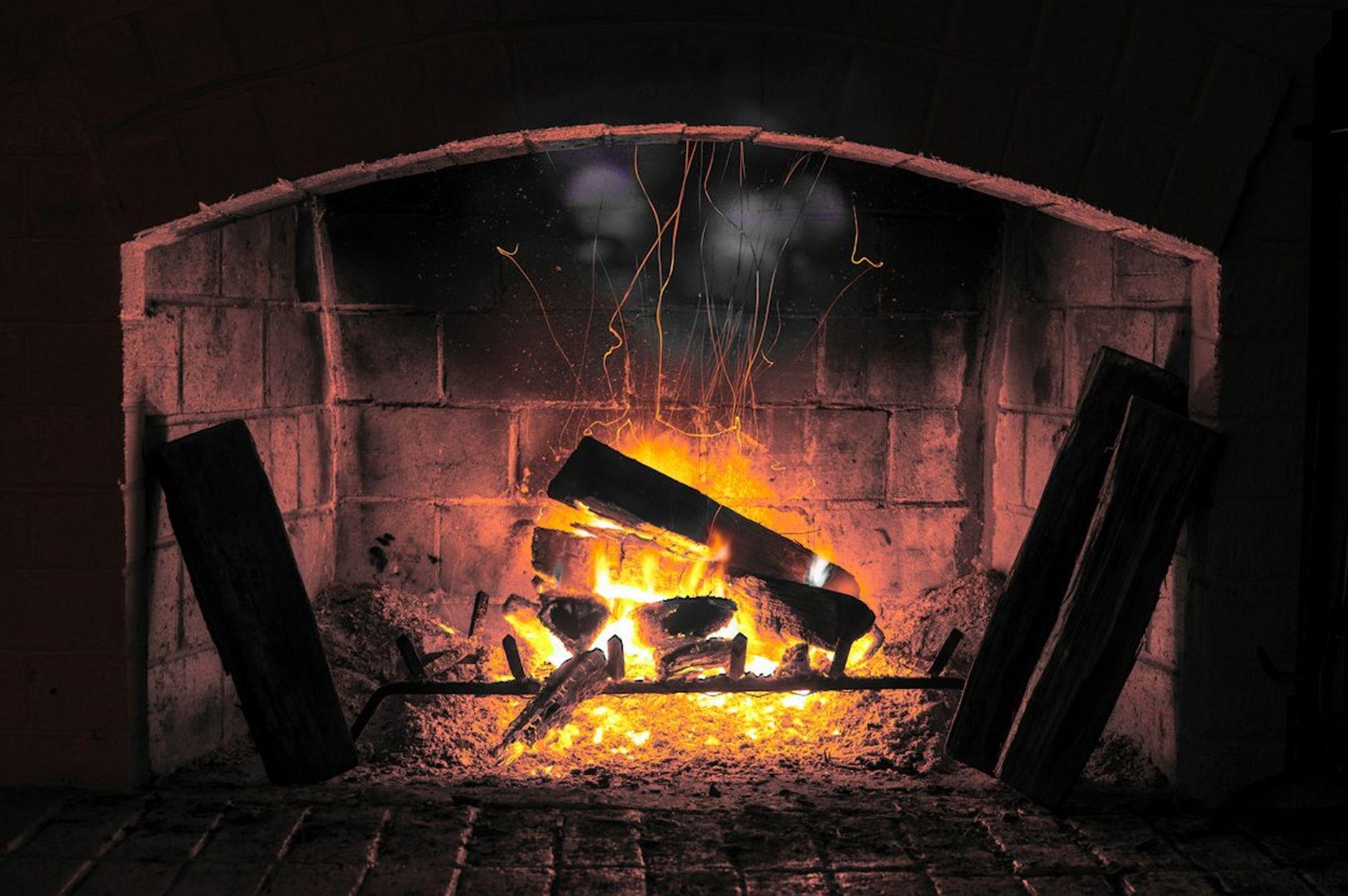
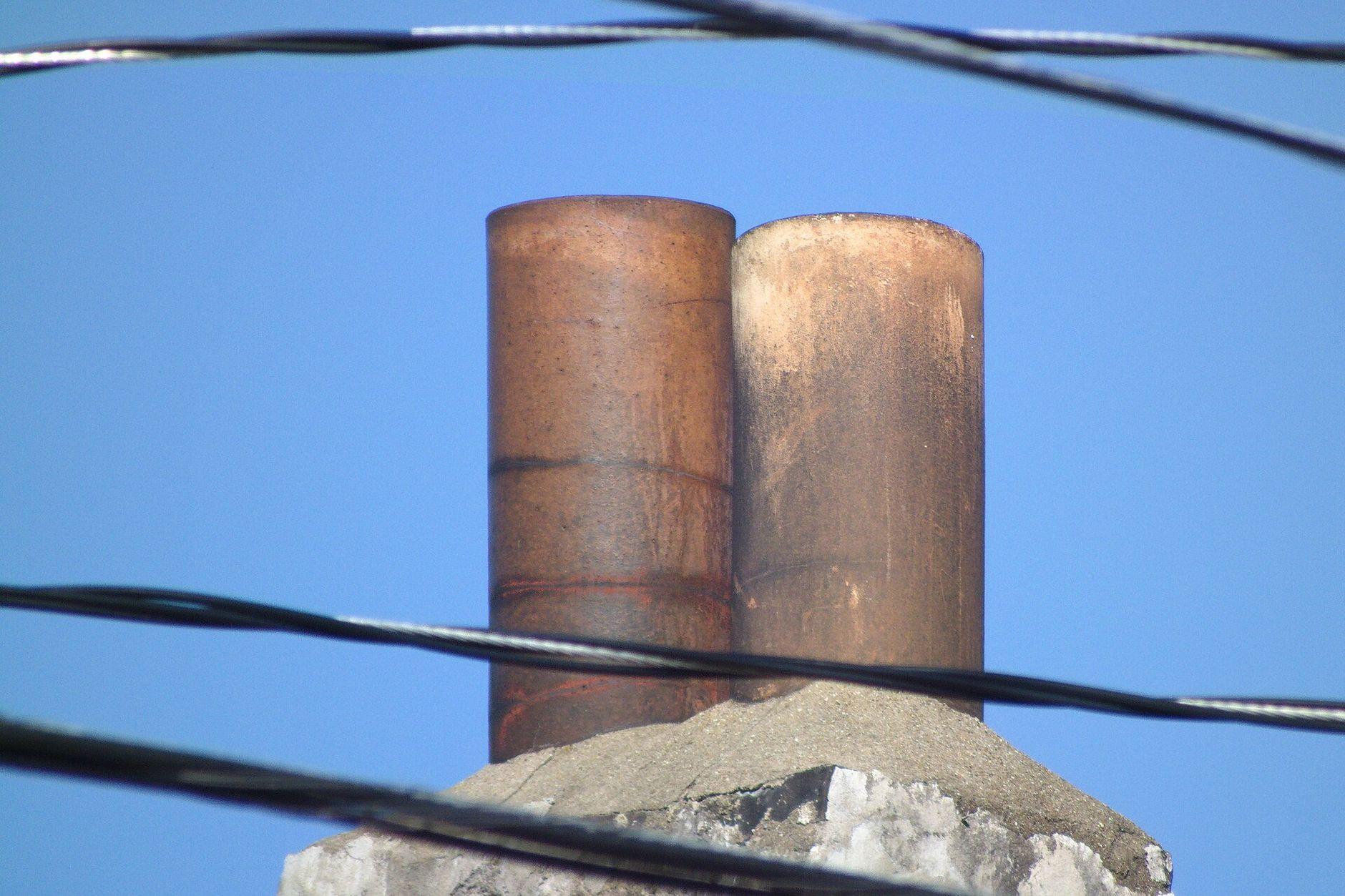
- Insert. Two flexible aluminum liners, or one coaxial liner, run from the insert up the old flue to a termination cap on top of the chimney. The old chimney becomes a protected sleeve for those pipes. That means the chimney has to be sound enough to hold them: a cracked crown or loose top courses get fixed first.
- Direct-vent wall unit. A rigid coaxial pipe, an inner pipe inside an outer one, leaves the back or top of the unit and ends at a termination on the outside wall or the roof. The maker sets the distances from windows, doors and the property line, and a city permit is usually part of the job.
What decides the price inside each range
For an insert:
- Firebox size and shape, which limit which models fit.
- The height of the chimney, which sets the liner length.
- Whether the damper has to come out to pass the liners.
- The surround panel size needed to cover the old opening.
- Whether a gas line already reaches the hearth.
For a direct-vent unit:
- Where it goes, and how far that is from the gas meter.
- Whether the vent can go straight out the back or has to rise and turn.
- The wall framing and the finish around the unit: drywall, tile, stone or a mantel.
- Permit and inspection by the city.
Every quote we write lists those lines one by one. The ranges above are where our installs land. Your quote sets the exact figure.
Which one suits which house
An insert makes the most sense when:
- The house has a working masonry fireplace the family rarely uses because it smokes, drafts cold air or falls under the winter no-burn alerts.
- The chimney is in fair shape above the roof.
- You want the heat in the same room the fireplace already anchors.
A direct-vent unit makes more sense when:
- There is no fireplace at all, or the one you have is in the wrong room.
- The old chimney is damaged badly enough that rebuilding it would cost more than skipping it.
- You want the flame on an outside wall of a bedroom, a den or an addition.
Many older houses in Bell have one brick chimney on a side wall. For those, an insert is often the cleaner job. For newer additions and remodels, direct vent wins.
Running costs after the install
Both options burn the same fuel through the same kind of burner, so the gas bill for an hour of flame is close. The difference is heat. An insert sits in a masonry box that soaks up some of its warmth, while a direct-vent unit framed into an insulated wall pushes more of its output into the room. For a living room you sit in on winter evenings, either one keeps the space comfortable. For a cold addition that never had heat, the stand-alone unit usually does more.
The inspection before either job
We do not install an insert into a flue we have not seen. A Level 2 chimney inspection with a video scan is $390 and shows the flue walls, the smoke chamber and the crown on camera. On a direct-vent job, the inspection is about the new location instead: framing, clearances, the vent path and the gas line.
Once we know the route, the next step is a written number. Send photos of the fireplace opening, or the wall where you want the new unit, plus a view of the chimney or wall from outside, and we will reply with which option fits and a quote for it.
What we hand over at the end
After either install, Burrows Chimney Contractors leaves the homeowner:
- The model, serial and install date in writing.
- The maker's manual and the service schedule it asks for.
- Photos of the vent termination and the gas connection.
- The city sign-off where a permit was pulled.
A sealed gas unit still needs yearly service: a check of the glass gasket, the pilot, the burner and the vent. Our gas fireplace cleaning visit covers it.
Next step
Still deciding? Our gas log set guide covers the open-fireplace option, and the fireplace inserts page sets out the insert job in detail. We serve Bell, South Gate, Montebello and Los Angeles. When you know roughly where the flame should go, ring Burrows Chimney Contractors through the call link above and we will set up the site visit.
Want Your Own Gas Fireplace Looked At?
Burrows meters the pilot, thermocouple and valve before replacing anything, sets logs to the maker's diagram and writes the price down first. We work from Bell for homes in South Gate, Montebello, the city of Los Angeles and nearby.