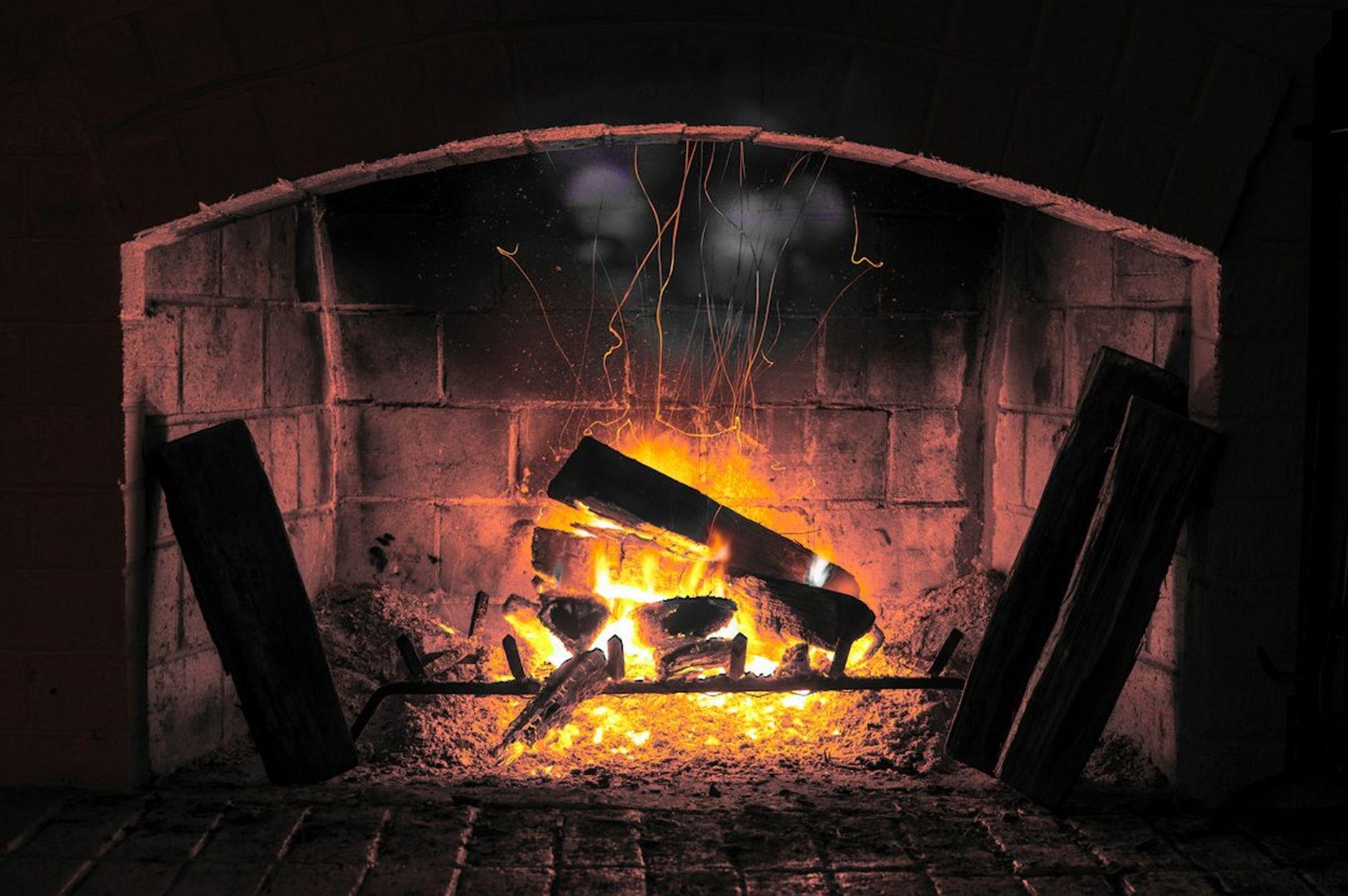
A log set is a burner, a valve and a vent rule, not just the logs
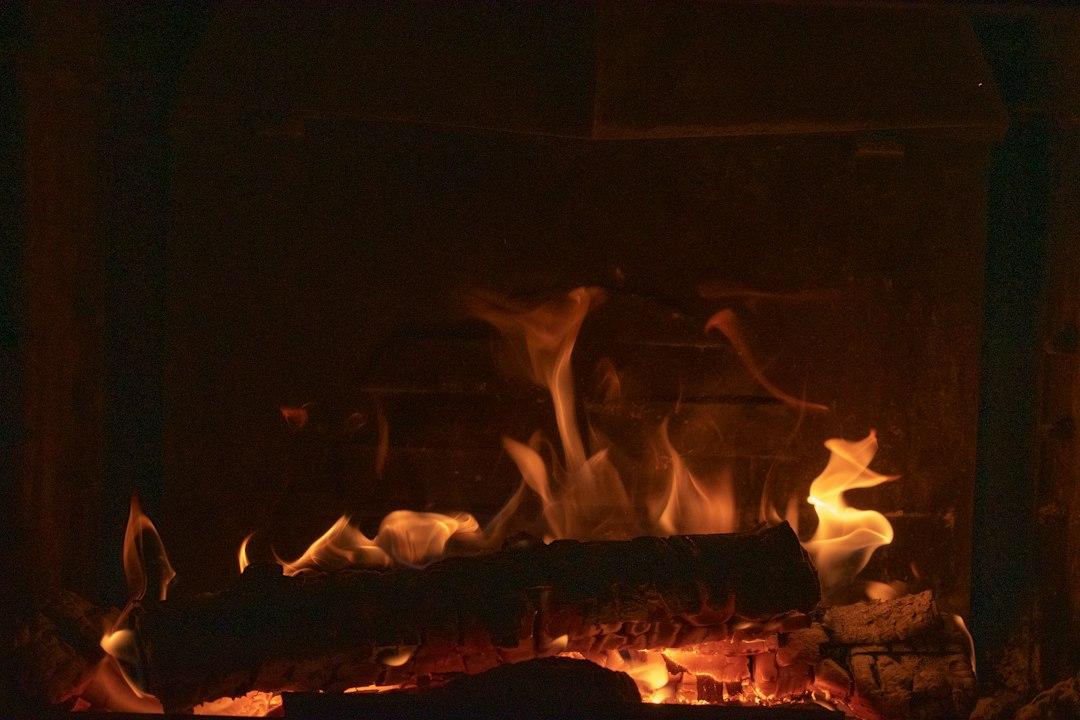
People shopping for gas logs in Bell usually start with the look: oak or split birch, a deep bed of glowing embers, a tall flame. The look matters, but the price of a gas log set is mostly decided by the parts you never see. Under the logs sits a burner pan, a valve, a pilot or an electronic ignition, and a gas line that has to reach it. Around the logs sits a firebox that was built to burn wood and now has to meet the rules for burning gas.
Burrows Chimney Contractors installs and services fireplace gas logs in Bell and the cities around it. This post sets out the choices that move the cost, what the install includes, and what has to be true about your fireplace before a log set can go in.
Vented or vent-free: the first choice decides most of the rest
There are two families of gas log sets, and they are not interchangeable.
Vented log sets burn with the damper held open, and the combustion gases go up the chimney the same way wood smoke did. They make the tallest, most natural yellow flame and they suit an open masonry fireplace in good shape. Because the damper must stay open, the fireplace is decorative more than it is a heater. A vented set needs a damper stop, a small clamp that keeps the damper from shutting all the way while the logs are in place.
Vent-free log sets burn cleaner and hotter, with a bluer flame, and they put more heat into the room because nothing goes up the flue. They come with an oxygen depletion sensor on the pilot. They also have limits: room size, the maker's rules on how long they run, and local rules on where they are allowed. Many households choose vented for the look and to keep combustion products out of the house.
We size and quote both, and we tell you plainly which one your room and your fireplace suit.
What decides the price
Here is what moves a gas log quote in Bell, in the order it usually matters:
- Vented or vent-free. This sets the burner, the valve and the safety parts.
- Firebox size. The burner pan has to fit the opening with the clearance the maker lists. A wide or shallow firebox can rule out some sets.
- Ignition type. A match-lit set is the simplest. A standing pilot with a thermocouple is the middle option. Electronic ignition with a remote or wall switch costs more but needs no pilot burning all season.
- Log material. Refractory cement logs are heavier and hold detail longer. Ceramic fiber logs are lighter and glow faster. Each has a price band.
- Gas line. If a gas key valve and line already reach the firebox, the job is shorter. Where no line reaches the firebox yet, the new pipe gets its own entry on the quote, and the city may want a permit for it.
- State of the chimney. A vented set sends gases up the old flue. If the flue has cracked tiles, a missing cap or old creosote, those need attention first.
Because the burner, the valve and the gas line differ on every house, a gas log set is quoted in writing after we see the fireplace. We do not list a flat price for it.
The quickest route to that quote is to send photos of the firebox opening, the damper and any gas key or valve near the hearth. A measured width, height and depth of the opening gets you a firmer first number.
Before the logs go in
A log set is only as good as the fireplace it sits in. On a masonry fireplace that has burned wood for years, we start with the flue. A sweep, from $420, clears old creosote that would otherwise smell when the gas logs heat the firebox. If the chimney has not been looked at since the house was bought, a Level 1 chimney inspection at $55 checks the flue, damper, firebox and cap.
Things we flag before an install:
- Cracked or loose firebrick, which should be repaired before a burner pan sits on the hearth.
- A damper that does not open fully, or one with no way to be held open.
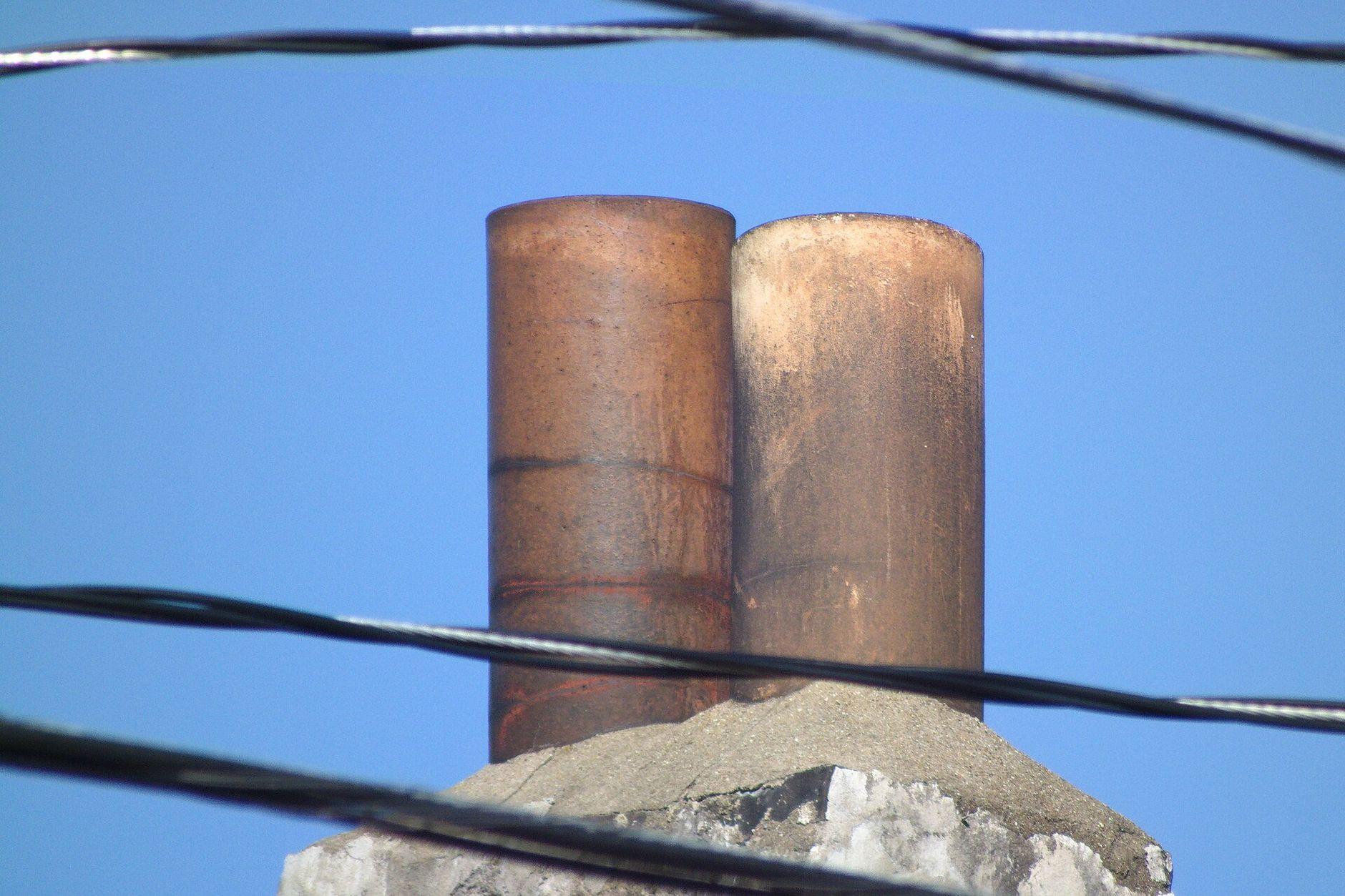
- A missing or rusted chimney cap. A new cap keeps rain and birds out of the burner. Every cap, custom or oversized ones included, is quoted on site.
- A flue with no liner or broken tiles, which matters most for vented sets.
What installation covers
When Burrows Chimney Contractors installs gas logs, the visit covers:
- Setting the burner pan level and at the listed clearance.
- Connecting the valve to the gas supply and testing every fitting for leaks.
- Fitting the damper stop on vented sets.
- Placing the logs in the pattern the maker shows, then the embers and glowing material.
- Lighting the set, checking the flame pattern and the pilot, and showing you the controls.
- Leaving the manual and a note of the model and the install date.
Log placement looks like a small detail but it is not. Logs that sit across the flame cause soot, and soot on a vented set climbs the flue walls.
Gas logs and the no-burn days
Bell sits inside the South Coast AQMD, and its Rule 445 limits wood burning on no-burn alert days in winter. Gas log sets are not wood, so they are not the target of those alerts. For many households that is the reason they switch.
Booking
We install gas log sets in Bell, Montebello, South Gate and Los Angeles. If you already have a set that lights poorly or soots up, our gas fireplace repair cost guide explains how that work is priced. To talk through a new set, call Burrows Chimney Contractors from the phone button on this guide and have a measurement of the opening at hand.
Want Your Own Gas Fireplace Looked At?
Burrows meters the pilot, thermocouple and valve before replacing anything, sets logs to the maker's diagram and writes the price down first. We work from Bell for homes in South Gate, Montebello, the city of Los Angeles and nearby.