The flue was sized for wood smoke, not for a gas flame
A brick chimney built for an open wood fire has a large flue, often lined with clay tiles. A gas insert puts out far less exhaust, at a lower temperature, and it needs fresh combustion air from outside. Run that small, cool exhaust up a big old clay flue and it cools before it reaches the top. Water vapor in the exhaust condenses on the tiles, the mortar joints soften, and the flue draws poorly. That is why sealed gas inserts are installed with their own liners, and why the liner is often the part of the job homeowners in Bell did not expect.
Burrows Chimney Contractors installs gas inserts and the liners they run on. This guide covers the liner side: what goes up the chimney, what decides the cost, and what our written quote for chimney liner installation includes.
What a gas insert liner actually is
Most sealed gas inserts use one of two setups:
- Two-pipe. One flexible aluminum liner carries exhaust up. A second carries outside air down to the insert's intake. Both run from the insert collars to a termination cap at the top of the chimney.
- Coaxial. One liner sits inside a larger one. Exhaust goes up the inner pipe, fresh air comes down the space between them.
The maker of the insert names the liner type, diameter and termination it was tested with. We install to that listing. A generic liner that "should fit" is not what the appliance was approved on.
Some older installs in Bell have a gas log set or an older gas appliance running on a bare masonry flue. When those are replaced with a sealed insert, the liner is always part of the new job.
What decides the cost
Relining for gas is quoted in writing after an inspection. We do not list a single price, because the factors below change the scope a great deal from one chimney to the next:
- Chimney height. Liner is sold by the foot, and a two-story chimney takes far more than a one-story ranch stack.
- Flue size and shape. A large, straight flue takes two liners easily. A small or offset flue may only fit a coaxial setup, or may need tiles removed.
- Offsets. Bends in the flue slow the pull and add labor.
- The damper. Many inserts need the old damper removed or cut back so the liners can pass.
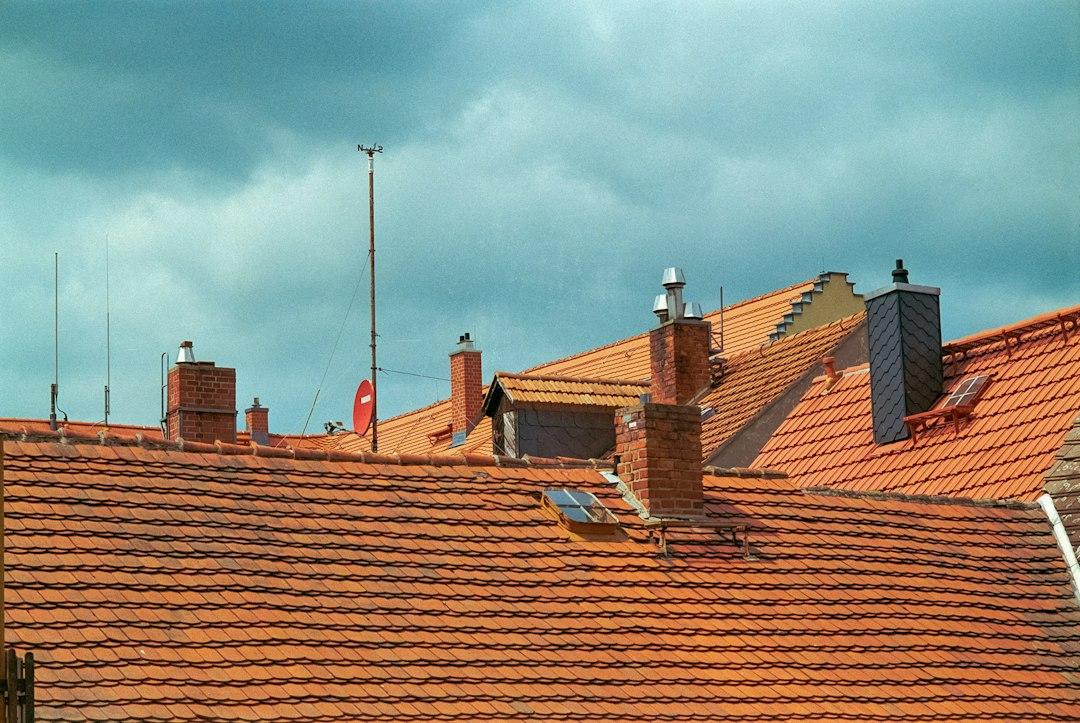
- The top of the chimney. The termination cap mounts on the crown. A cracked or crumbling crown is repaired first and quoted on its own line.
- Roof access. Steep or tall roofs add setup time.
The insert and its liner are usually quoted together. Our published range for a sealed insert fitted into an existing firebox is $2,800 to $5,600 installed, and the written quote shows how much of the job is the liner.
The inspection before relining
We do not quote a liner off a photo of the living room. The flue has to be seen from inside. A Level 2 chimney inspection with a video scan, $390, shows the tile condition, any offsets, the smoke chamber and the crown. It also tells us whether the flue has old creosote from its wood-burning years. If it does, a sweep from $420 comes before the liner goes in, because soot left in the chimney keeps smelling once the space warms up.
After the camera, the next step is the measured quote. Send a photo of the chimney from the yard and one of the fireplace opening, and tell us the model of insert you are considering. We reply with what the inspection will look for and book the scan.
Signs an existing gas liner needs work
If your house already has a gas insert, these point to a liner problem:
- Water or white residue running down inside the firebox.
- A flame that lifts, rolls or turns lazy and blue.
- A termination cap on the roof that is bent, loose or missing.
- Soot on the glass that comes back soon after a cleaning.
- A rattling or loose pipe at the insert collar.
Any of these is a reason to stop using the insert and book a visit. Separated liners can let exhaust spill back into the room.
What the written quote lists
Our liner quotes for Bell homes show each line separately:
- Liner type, diameter and length, matched to the insert listing.
- Removal of the damper or tiles, if needed.
- The termination cap and its flashing to the crown.
- Any crown repair needed first.
- Connection and leak test at the insert.
- Photos of the liner at the top and at the collar when the work is done.
You approve the figure before anything is ordered.
Why the liner is not the place to save money
A liner sits inside the chimney where nobody sees it, so it is tempting to pick the cheapest pipe on the quote. It is also the one part of a sealed gas install that keeps exhaust out of the house. Aluminum liners rated for gas are made for the lower temperatures and the moisture a gas flame produces, and they connect to the insert collars with fittings the maker names. Swapping in an unlisted pipe or skipping the air intake liner can leave an insert that lights fine and drafts badly. On a Bell house with a tall side-wall chimney, the difference shows up first as soot on the glass and a flame that will not settle.
Next step
Comparing replacement routes? Our gas insert or direct vent post sets out both. We install liners in Bell, South Gate, Montebello and Los Angeles. Use the phone button near the top of this page to reach Burrows Chimney Contractors, and have the insert's model name handy if you have picked one.
Want Your Own Gas Fireplace Looked At?
Burrows meters the pilot, thermocouple and valve before replacing anything, sets logs to the maker's diagram and writes the price down first. We work from Bell for homes in South Gate, Montebello, the city of Los Angeles and nearby.